This documentary collection consists of a record of 5 groups of files:
The municipality of Sosúa, located on the north coast of the Dominican Republic, has a unique history that attracts many tourists interested in its past and cultural heritage. Here is a brief history for tourists about Sosúa:
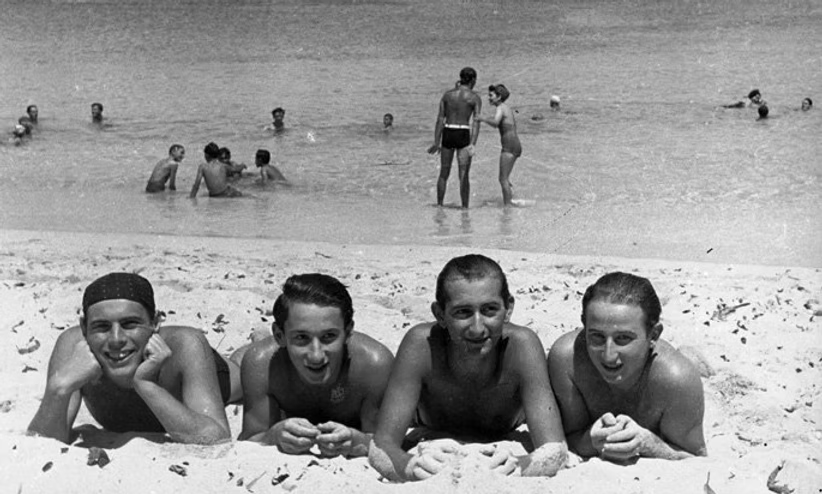
In the 1930s, during World War II, Sosúa became a refuge for hundreds of European Jews fleeing the Nazi regime in Europe. At that time, Dominican dictator Rafael Trujillo offered asylum to the Jews and allowed them to settle in a rural area of Sosúa.
These immigrants, mostly of German and Austrian origin, created a successful agricultural community in the area. They founded agricultural cooperatives and developed innovative techniques for the cultivation of tropical fruits, mainly bananas and pineapples.
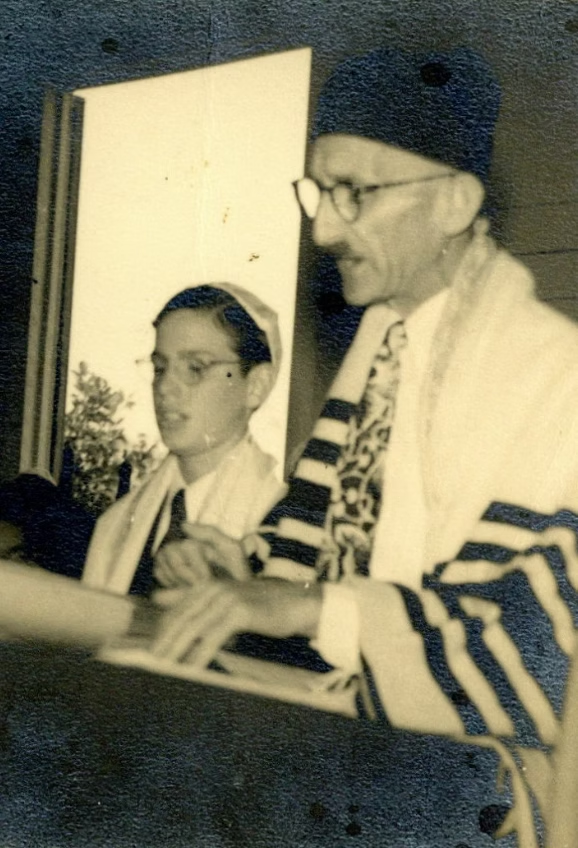
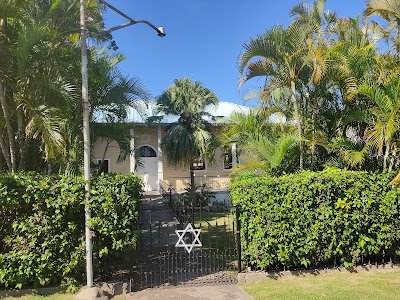
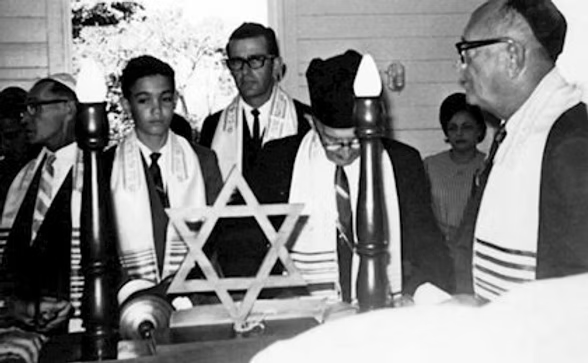
Today, the legacy of the Jewish immigrants in Sosúa can be seen in its architecture, gastronomy and the synagogue that is still in operation. In addition, Sosúa’s main beach, known as “Playa Sosúa” or “Playa Alicia”, remains a popular spot for tourists.
In addition to its Jewish history, Sosúa also has a history related to piracy. During colonial times, the northern coast of the Dominican Republic was a frequent target of pirates seeking treasure and riches. The famous English pirate William Kidd, known as Captain Kidd, is said to have hidden treasure in the region.
MIGRATION WAVES
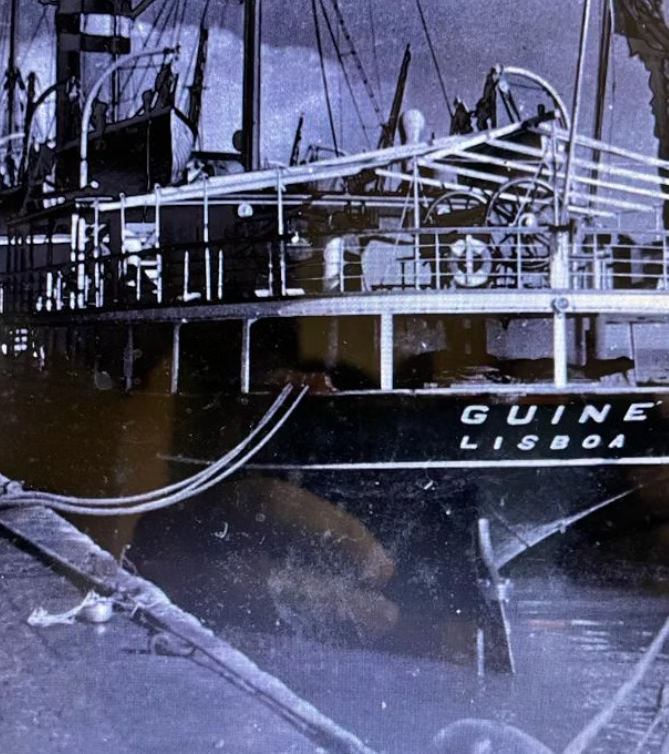
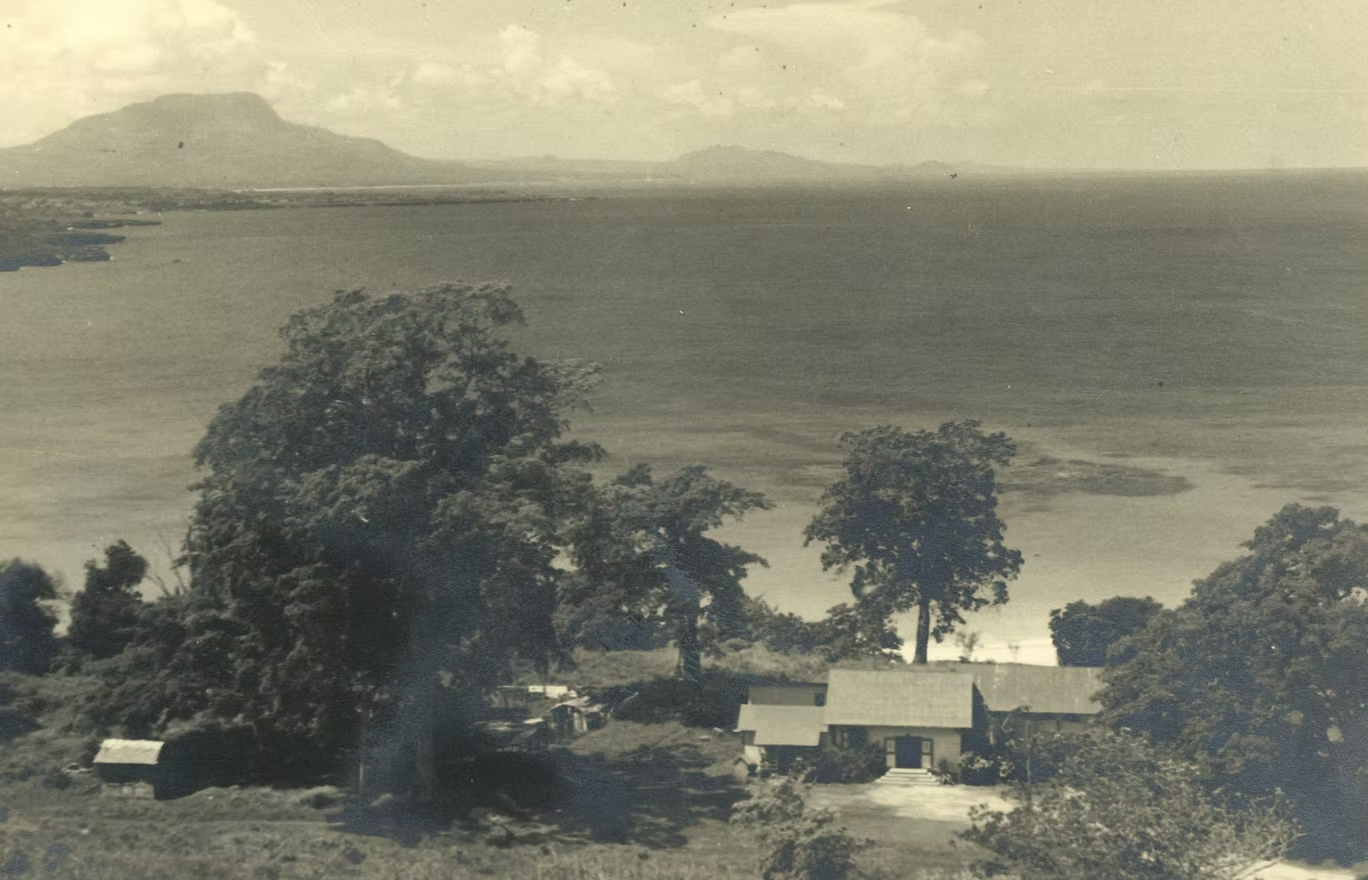
In December 1939, the Dominican Republic Settlement Association (DORSA) was founded as a branch of the American Jewish Joint Distribution Committee (JDC) based in New York. In January 1940, it signed a contract with the government of the Dominican Republic to establish an agricultural settlement in Sosúa, an abandoned banana plantation on the country’s northern coast. DORSA gathered refugees in Europe, financed and organized their transport, and provided ongoing support and guidance to the settlement. The first refugees arrived in March–May 1940 from Europe, with waves of migration continuing over several years.
HOUSING / BARRANCONES
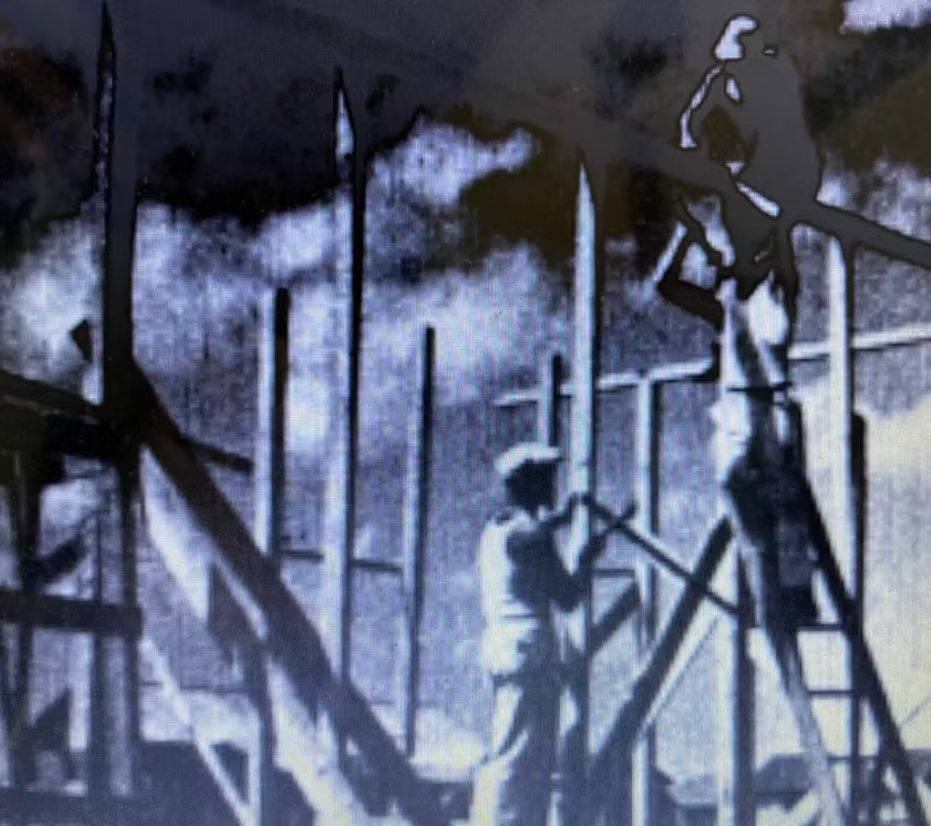
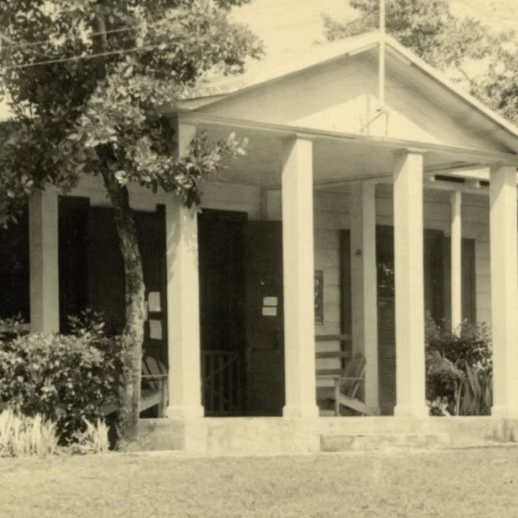
Once they had settled in the area, construction began on the Barrancones, which were communal housing units that included dormitories, communal dining halls, and all the necessary spaces to meet basic needs. This housing model was temporary while the settlers adjusted to their new life; later, they built single-family homes.
LIVESTOCK FARMING
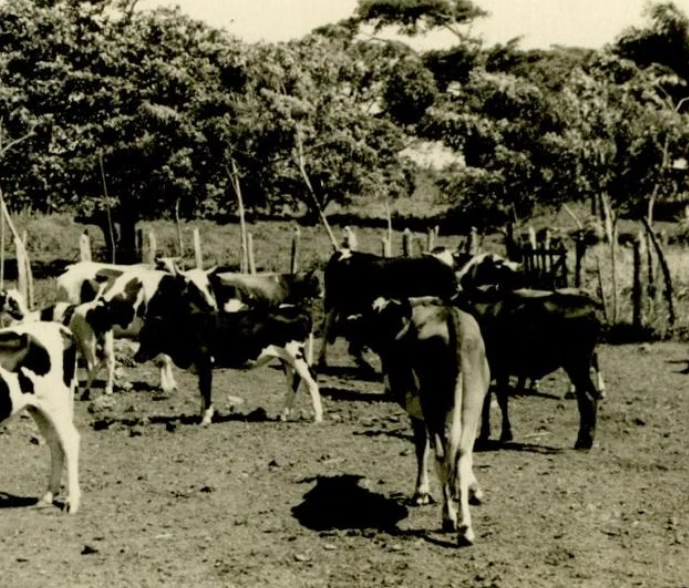
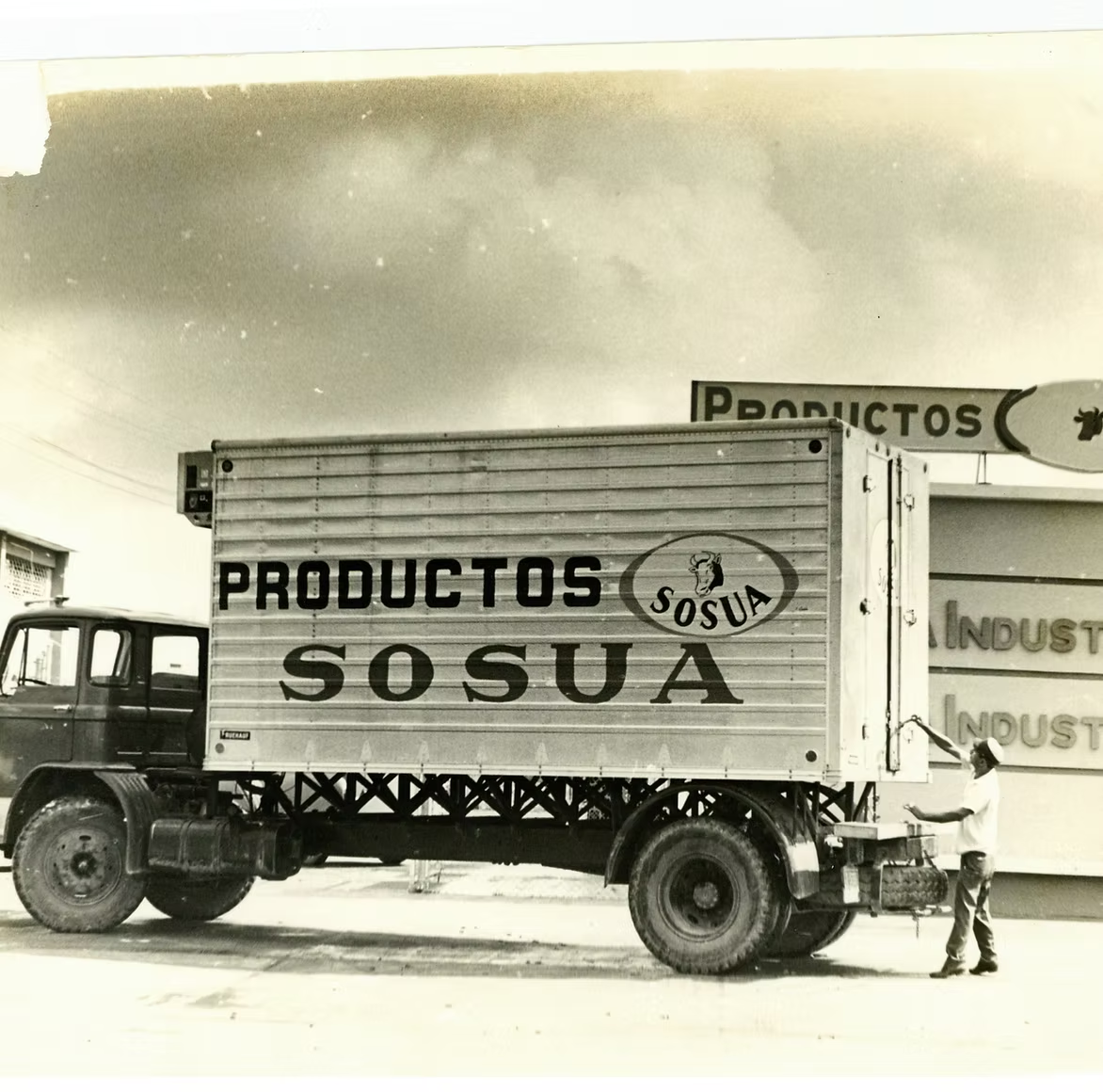
Livestock farming was the main source of employment in the area, as well as the backbone of the agricultural sector. Their pioneering efforts led to the creation of a company called “Productos Sosúa,” which they maintained over several generations and which became one of the most important in the country.
SOSÚA PRODUCTS
Industrial Dairy Company
Industrial Livestock Company
Jews established these companies, from which Sosúa Products originated. Originally created as cooperatives by the settlers, they brought countless benefits to the area. They produced dairy and meat products, which were sold both within the community and, later, due to their popularity, distributed to different parts of the country.
ESTABLISHMENT OF A SELF-SUFFICIENT COLONY
For a long time, Sosúa was a “remote” community, cut off from the rest of the world but self-sufficient. The settlers developed:
Their own sanitation system:
Clinic
A pharmacy
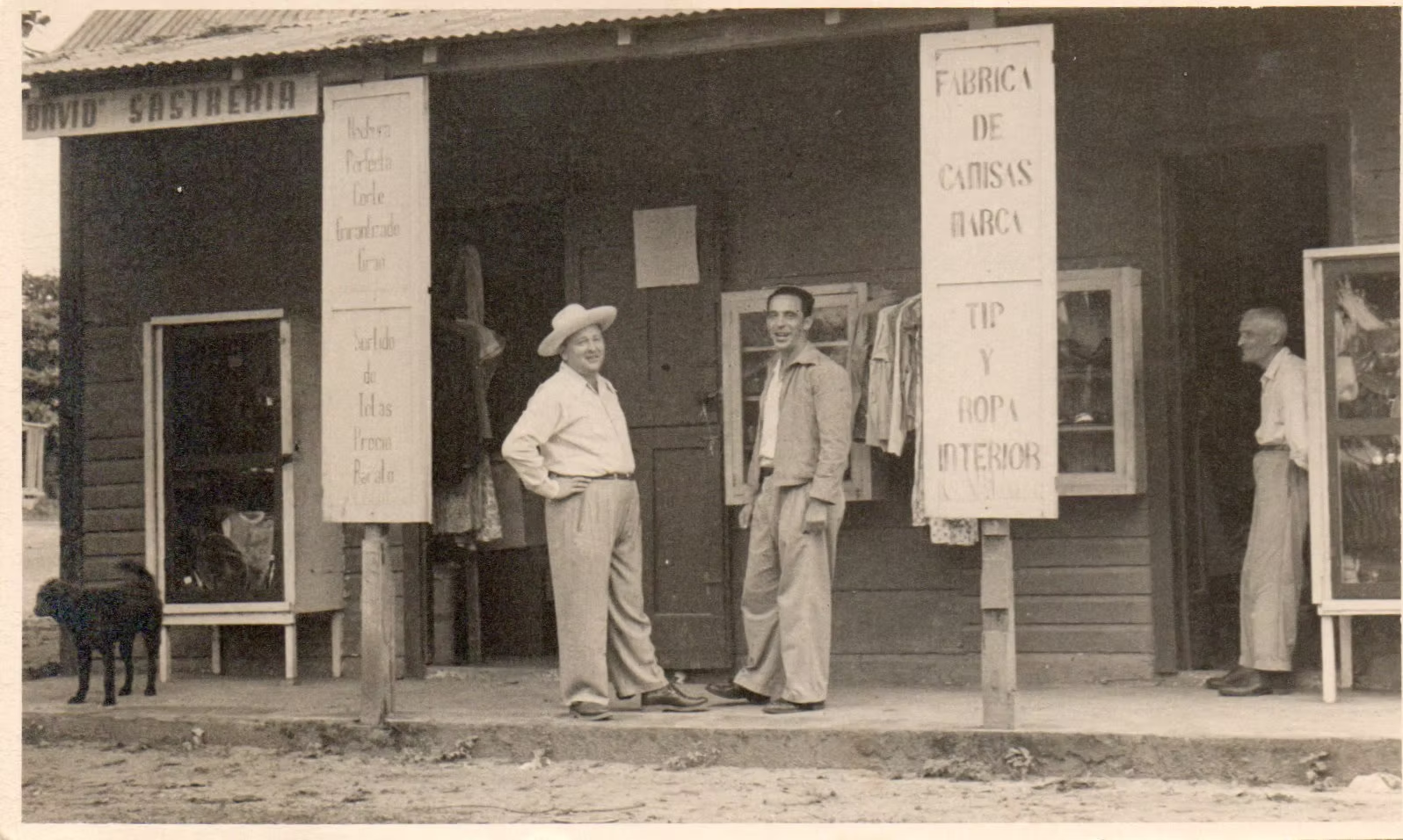
A general store
A school
A library
A bank
A theater
A newspaper
A hotel
A restaurant, etc.
In addition to livestock and the dairy and meat industries, over time they also worked in manufacturing and trade, producing items such as bamboo goods, lemongrass oil, furniture, mattresses, pharmaceuticals, and artistic goods, among others.